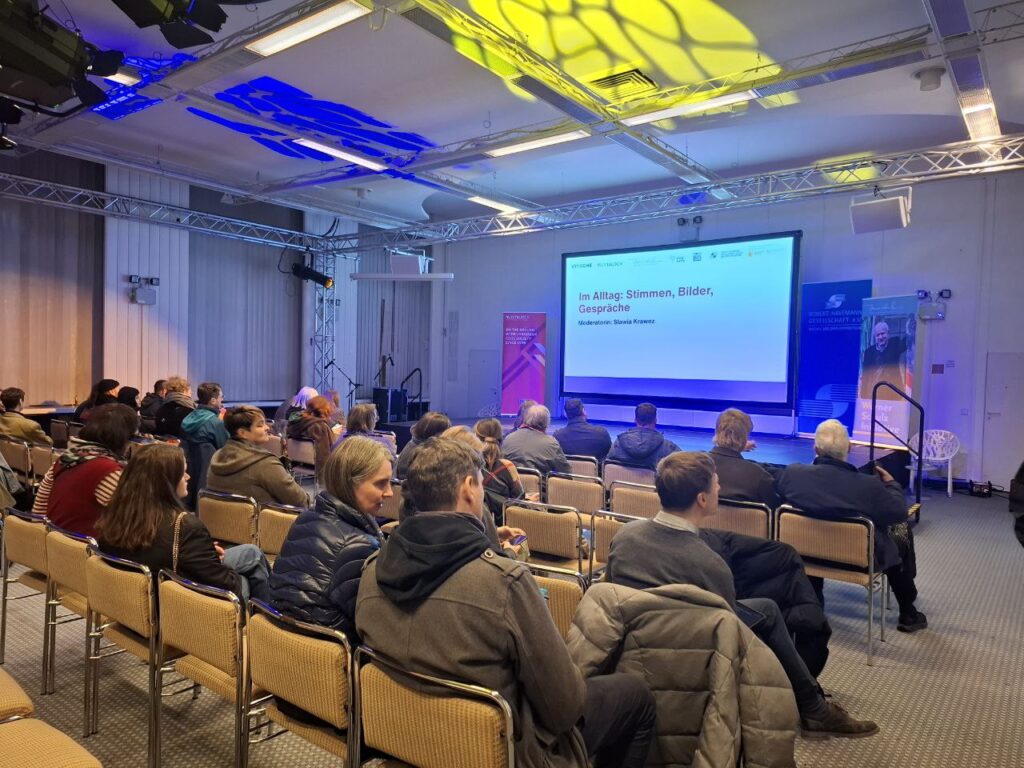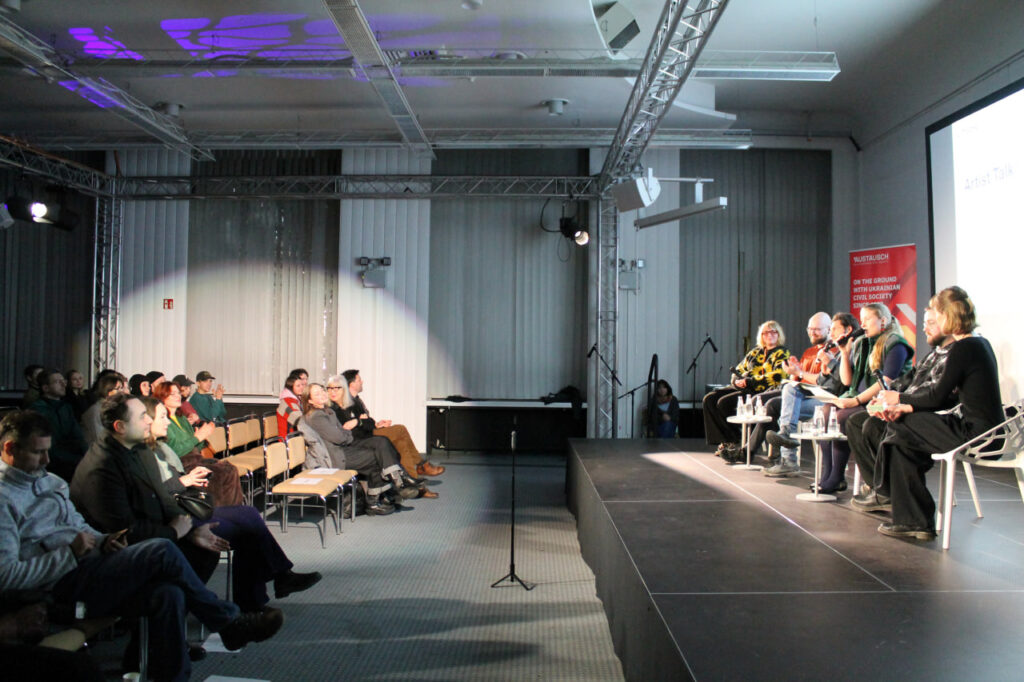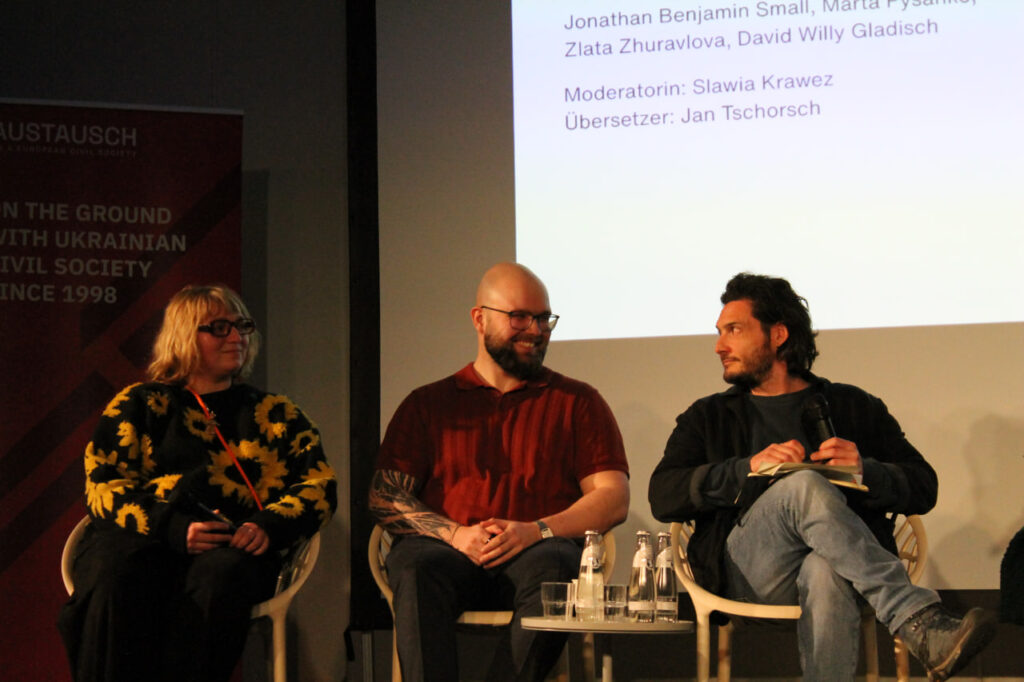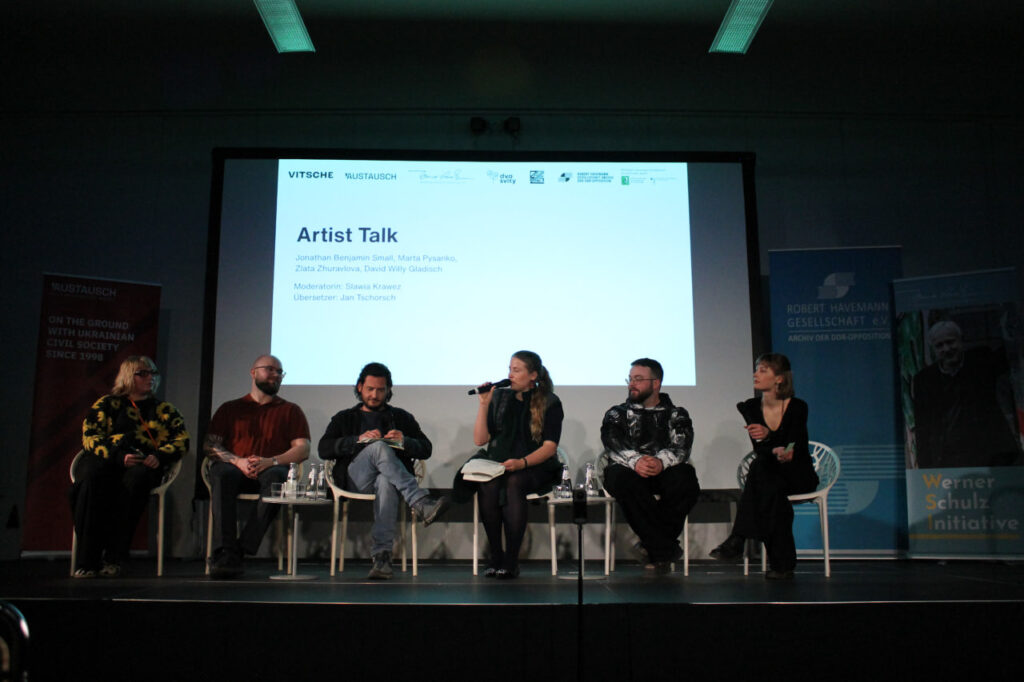
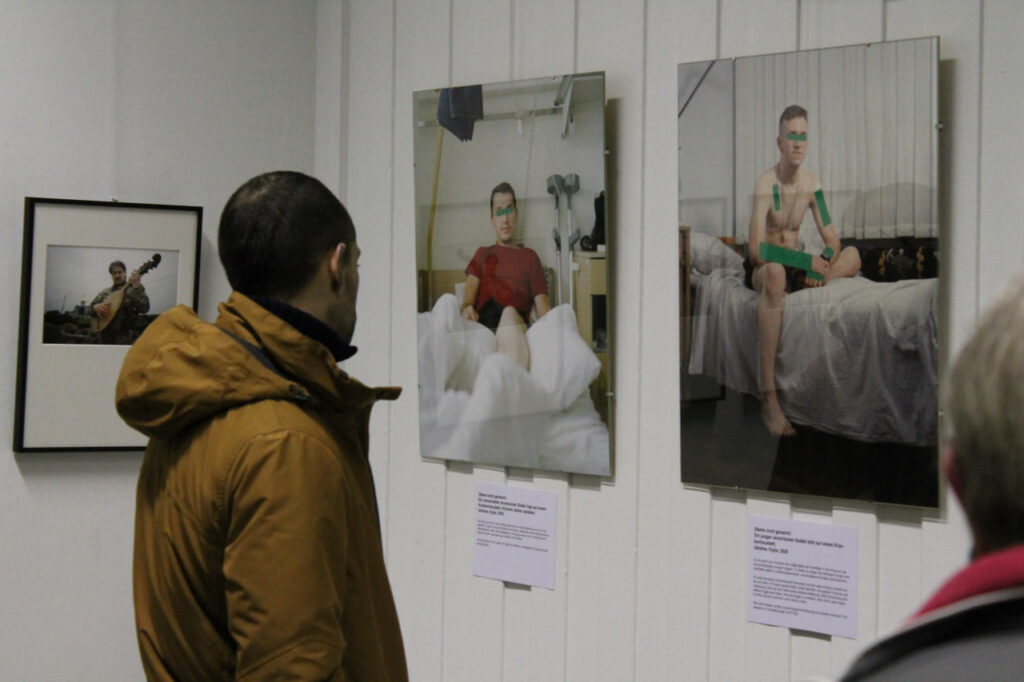

On 20 February 2026, the photo exhibition “Im Alltag – In Everyday Life” officially opened at the Stasi Museum in Berlin, offering visitors an intimate and powerful glimpse into the everyday realities of life in Ukraine during Russia’s war. The exhibition is presented at Stasi-Zentrale. Campus für Demokratie, Haus 22 (Ruschestraße 103) and will be open to the public until 13 March 2026.
Through a series of deeply personal photographs and sound recordings, the exhibition captures ordinary moments that reveal extraordinary resilience: daily routines, quiet reflections, grief, and hope. Rather than focusing solely on the frontlines, the project turns attention to the rhythms of everyday life — moments that continue despite the constant presence of war.
The exhibition was developed within the Werner Schulz Initiative Fellowship and is realised with the support of Dva Svity e.V., Austausch e.V. and Robert-Havemann-Gesellschaft e.V.
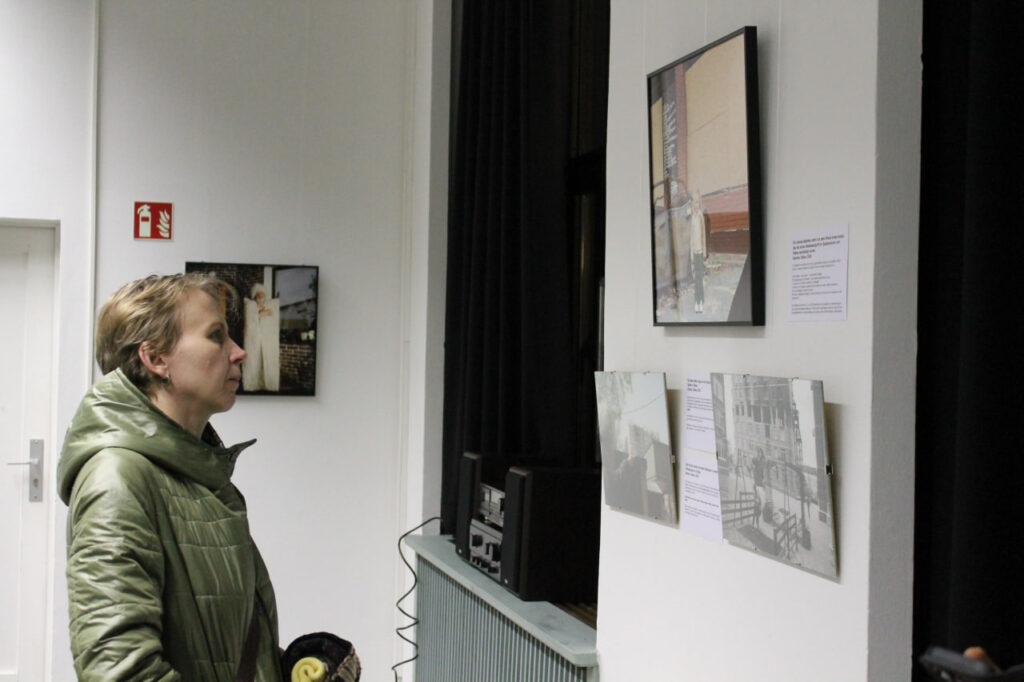
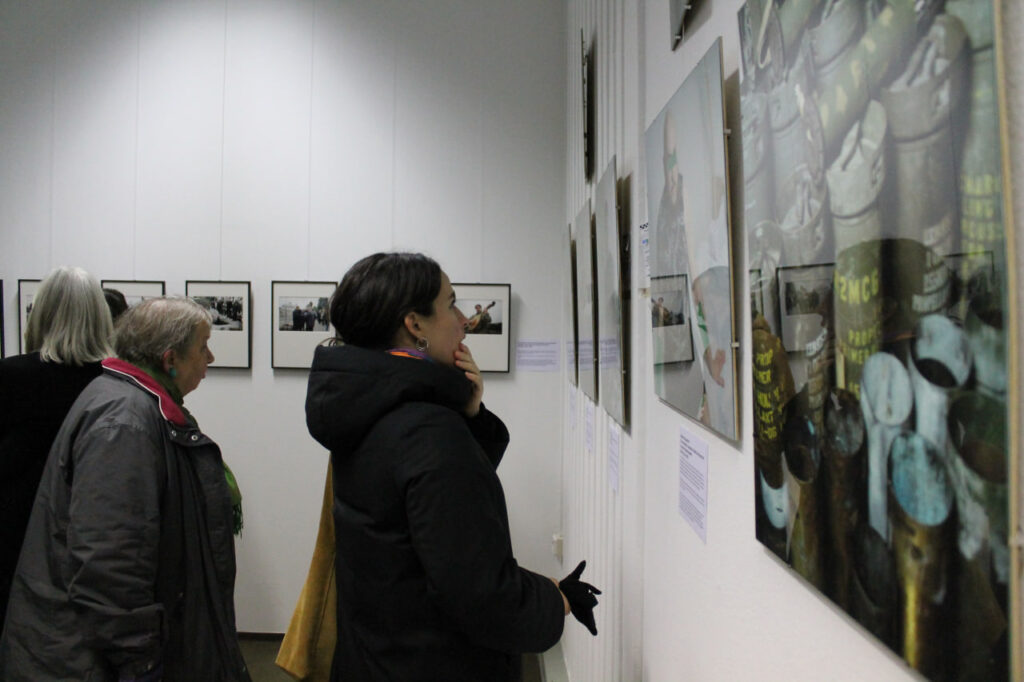
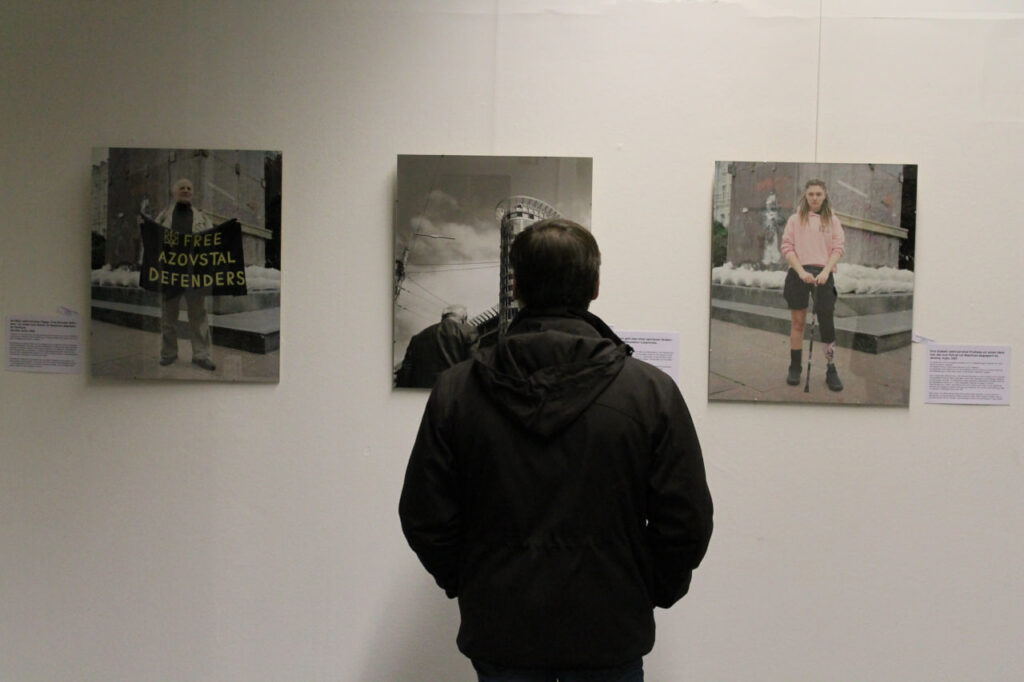
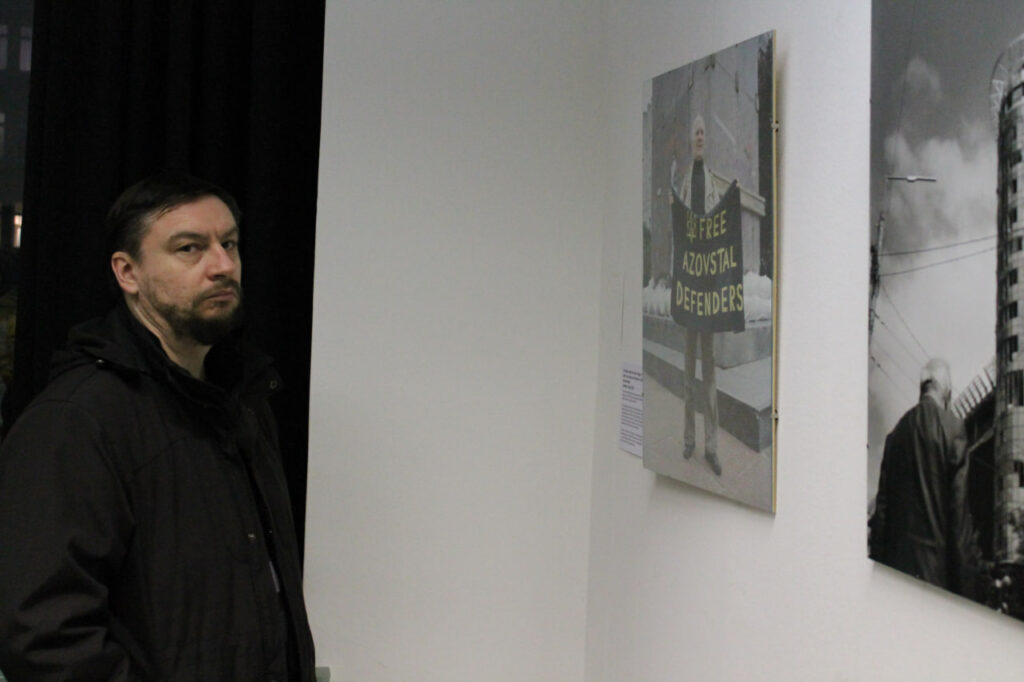
The curatorial concept of the exhibition focuses on documenting how people in Ukraine continue to live, work, and dream despite the war. Zlata Zhuravlova, curator, artist and Werner Schulz Initiative fellow, explains the idea behind the exhibition:
“This exhibition is called ‘Im Alltag – In Everyday Life’ and our goal is to show how everyday life looks in Ukraine. We collected the stories of different people and their routines – what they are doing, how they are living, and what they are dreaming about.”
The photographs were created during research trips to Ukraine in 2024 and 2025, when the artistic team travelled across the country documenting the lives of people from different backgrounds and generations. Photographer Jonathan Benjamin Small reflects on the responsibility that comes with documenting such sensitive moments:
“You have to be very careful not to overstep your boundaries or cause more pain, especially when you are photographing situations like funerals or visiting hospitals. There is a level of care that you have to take when working with people in such vulnerable situations.”
The exhibition combines photography with an immersive soundscape, bringing visitors closer to the atmosphere of everyday life in Ukrainian cities and villages. Artist and director Marta Pysanko describes the approach behind the project:
“We tried to speak with very different people – older people and children, soldiers and volunteers, people we met on the street. Many situations were spontaneous because the circumstances in Ukraine are unpredictable. That is exactly what we want to show here in Berlin.”
To recreate the sound of daily life, Pysanko recorded ambient sounds during the journeys: generators producing electricity, music played in the streets, metro stations used as shelters, and the constant background noise of a society adapting to wartime conditions.
Sound designer David Willy Gladisch integrated these recordings into a continuous sound composition that accompanies the images and deepens the emotional experience of the exhibition.
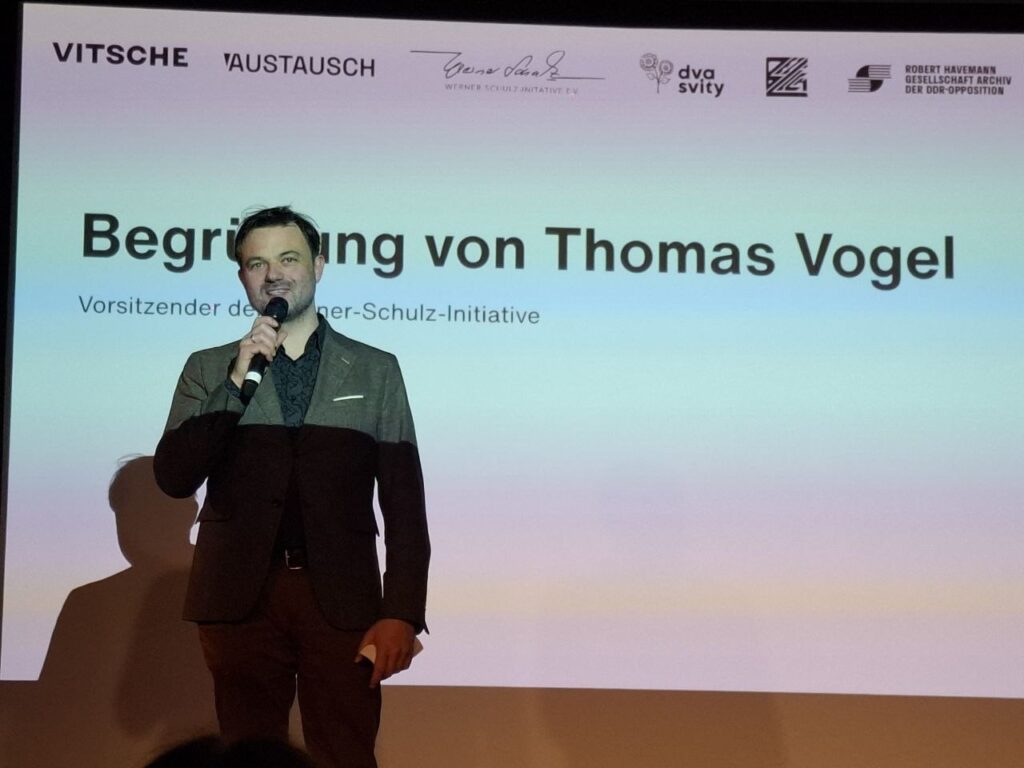
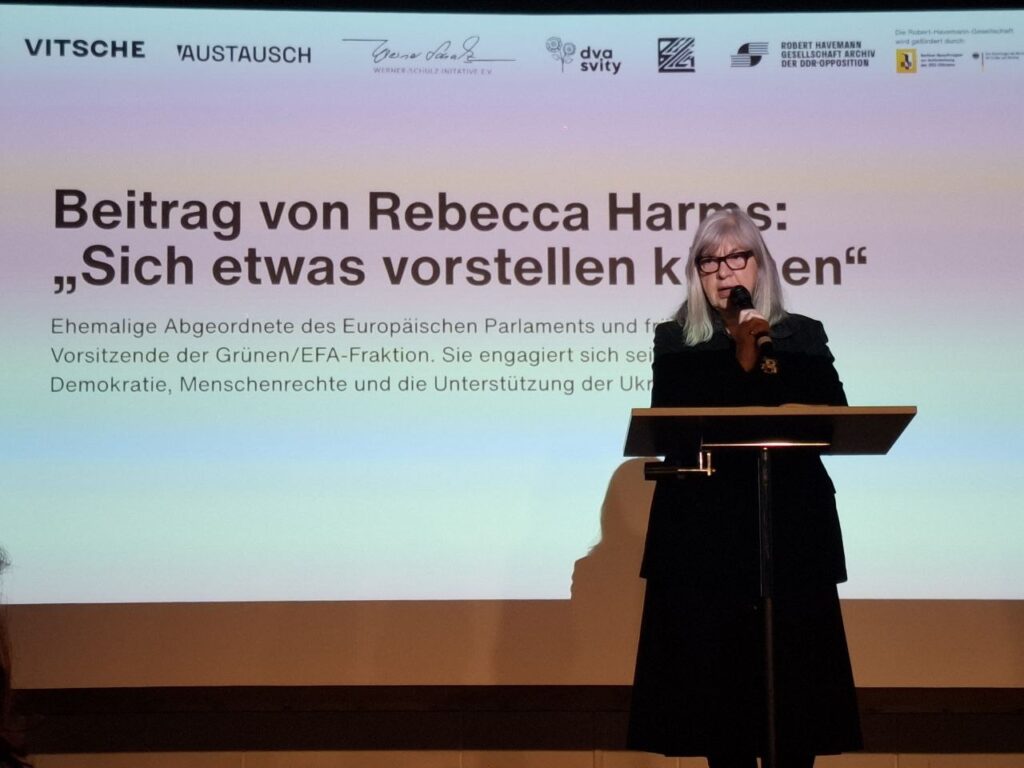
The exhibition also reflects on the political and societal meaning of everyday life during war. Rebecca Harms, member of the executive board of the European Centre for Press and Media Freedom, highlights that the ability to maintain daily routines is itself a form of resistance:
“Living a daily, normal life in Ukrainian villages and cities while this horrendous war continues shows that Ukraine remains a functioning state. Every day that Ukrainians get up in the morning and run schools, hospitals, buses, railways, and public institutions – while also defending their country – is a day of victory against Russia.”
Her words underline a central message of the exhibition: resilience is not abstract – it is practiced in everyday actions.
For many Europeans, the war in Ukraine is no longer only a distant conflict. Millions of Ukrainians have sought refuge across the continent, including more than a million people in Germany. Igor Mitchnik, Executive Director of Austausch e.V., emphasises the importance of projects that build understanding between societies:
“A million Ukrainians fled to Germany. Many initially thought they would stay only temporarily, but they are becoming part of our societies. These histories are becoming shared histories. Projects like this help us connect these experiences and bring them to a broader public agenda.”
By presenting Ukrainian stories in Berlin, the exhibition creates a space for reflection, empathy, and dialogue between communities.
Visiting the exhibition
📍 Location: Stasi-Zentrale. Campus für Demokratie, Haus 22
Ruschestraße 103, Berlin
📅 Exhibition period: 20 February – 13 March 2026
Visitors are invited to experience the exhibition and engage with the personal stories behind the images – stories that show how everyday life continues, even in the shadow of war.