

Instead of “Nothing about Ukraine without Ukraine,” we are now hearing “Nothing about Europe without Europe”

Just a week after the world-shaking statements from the new White House administration and Vice President J.D. Vance’s shocking speech at the Munich Security Conference—and right before Germany’s election results— Austausch e.V.’s First Executive Director Igor Mitchnik gave an interview to Bulgarian media. Read it here (behind a paywall).

Key takeaways:
‣ Trump’s hardline approach fuels global uncertainty. His administration’s strategic ambiguity leaves both allies and adversaries in the dark, further eroding trust in the U.S.
‣ Any potential deal imposed by Trump risks undermining the legitimacy of Ukrainian government in the eyes of Ukrainians. More and more Ukrainians are asking, “What have so many people died for?”
‣ Territorial concessions remain unrealistic. Russia still claims parts of Ukraine it doesn’t fully control while losing ground in regions like Kursk. A territorial swap is a non-starter for Moscow, which sees itself on the winning side.
‣ Germany’s elections are unlikely to significantly alter Germany’s Ukraine policy. Friedrich Merz, once ambivalent, has adopted Scholz’s cautious approach, deferring to European allies instead of making decisive moves—especially on delivering Taurus cruise missiles.
‣ However, higher military spending is likely as Germany increasingly frames Ukraine support as a national security priority.
‣ The war exposes Russia’s colonial structures. Ethnic minorities are disproportionately mobilized and sent to the frontlines, and some groups among them seem increasingly inclined to support democratic change in Russia.
‣ Funding cuts—especially the loss of USAID support—have put civil society in crisis. Yet, civil society remains the backbone of democratic resistance. Continued financial support is crucial for fostering alternative futures.

Defending democracy requires investment. With U.S. allies under pressure, Europe and Germany must step up. The era of relying on an American security and financial umbrella is over. The responsibility is now ours—there is no alternative.
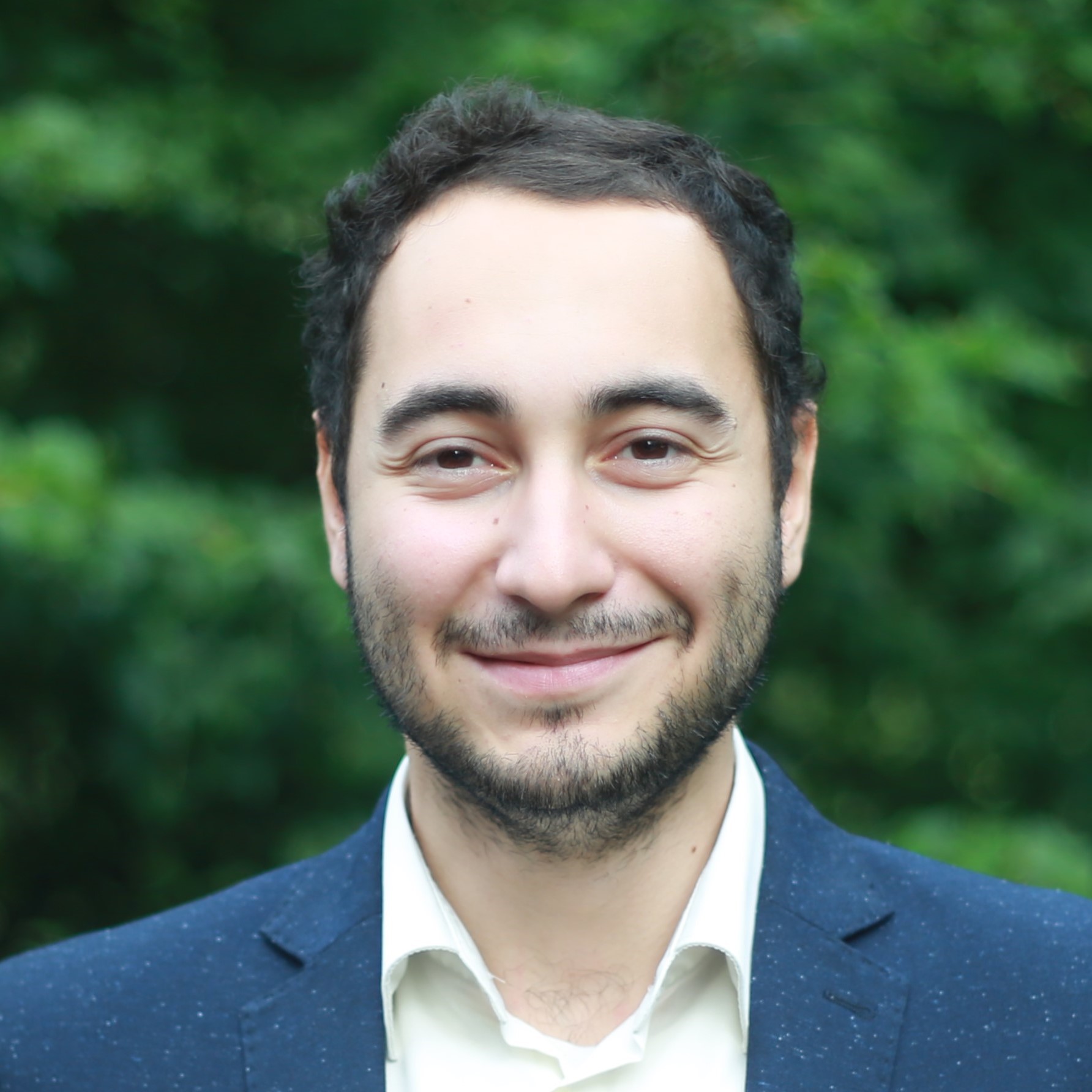
  • Since February 1, 2024, Igor is the First Executive Manager of Austausch. Prior to this role, Igor Mitchnik was primarily involved in civil society, humanitarian, and analytical projects in and related to crisis and conflict areas in Eastern Europe, Central Asia, and the South Caucasus. From 2019 to 2021, he was deployed by Austausch to Eastern Ukraine, where he was responsible for two years for the establishment and management of ‘Drukarnia’ in Sloviansk (Donetsk Region). Even thereafter, his work focus remained predominantly in Ukraine, where he collaborated with American NGOs such as the Community Organized Relief Effort (CORE) and Mercy Corps.

Related news

Displacement, Disability and Care: German-Polish Dialogue Calls for Stronger Support for Ukrainian Refugees with Disabilities and Their Caregivers 
June 4, 2026
On 28 and 29 May, the INKuLtur team, together with the Friedrich Ebert Foundation (Warsaw), organized the two-day event “Displacement, Disability and Care: Needs, Challenges and Political Priorities for Germany and Poland” at the Friedrich Ebert Foundation in Berlin. The program combined a public panel discussion with an expert exchange involving stakeholders from Germany and Poland. 
Charging stations for a water-monitoring laboratory during the war in Ukraine: together we raised over €2,700
June 3, 2026
Last winter we asked our Austausch community to help our friends at the lab. The original goal was a generator to keep the equipment running through the outages. We raised about €2,750 EUR, which wouldn’t cover a generator, so we changed our approach: instead of one large fixed unit, we bought three EcoFlow power stations. Portable, modular, well suited to a team that is no longer in one place. We ordered them ourselves and sent them to Poltava, where they also helped power the evacuation of people and equipment.
Invisible Care, Unmet Needs: The Situation of Ukrainian Caregivers of Personswith Disabilities in the EU
April 6, 2026
The first cross-national study of Ukrainian caregivers of persons with disabilities in the EU reveals a group caught between two systems – and falling through the cracks of both.