
Does the Organization for Security and Cooperation in Europe (OSCE) has a future in organizing European security given the failure to prevent Russia´s war against Ukraine or Azerbaijan’s aggression against Armenia´s internationally recognized territory?
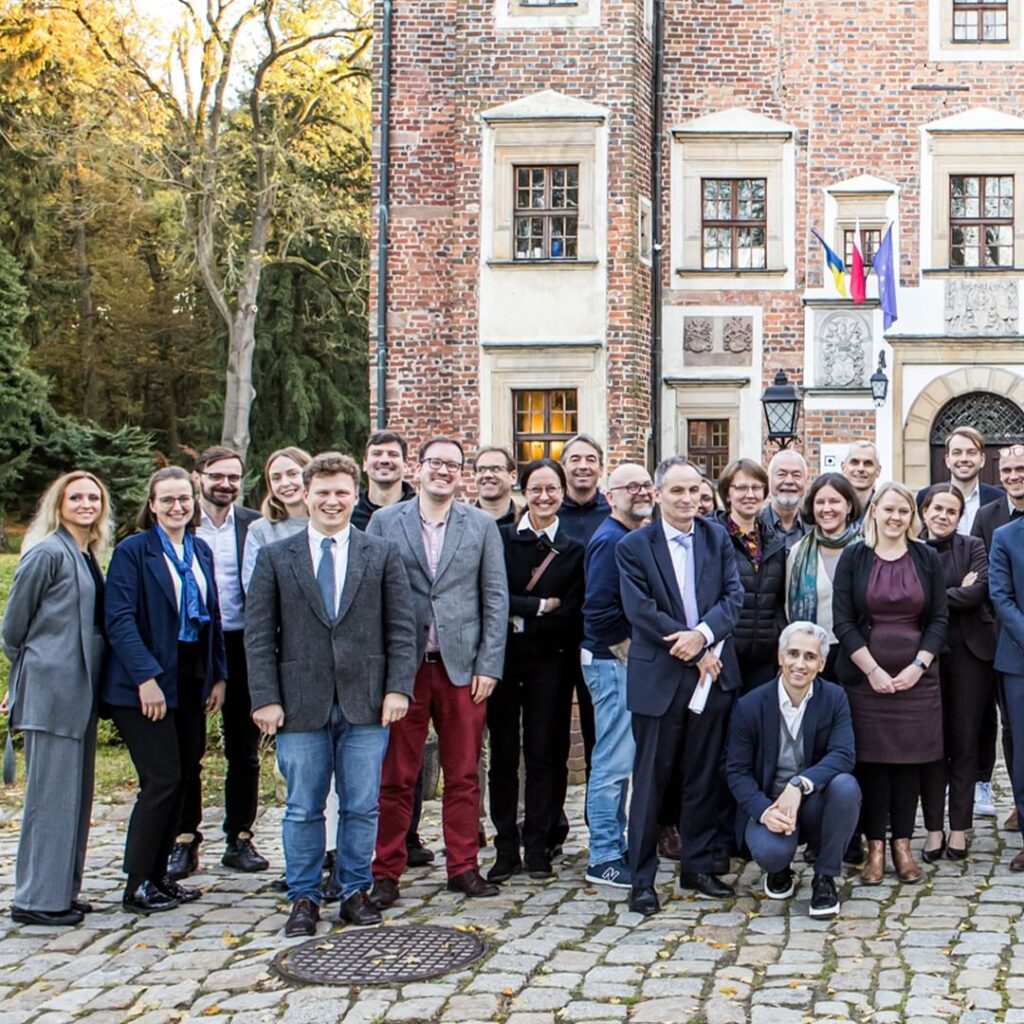
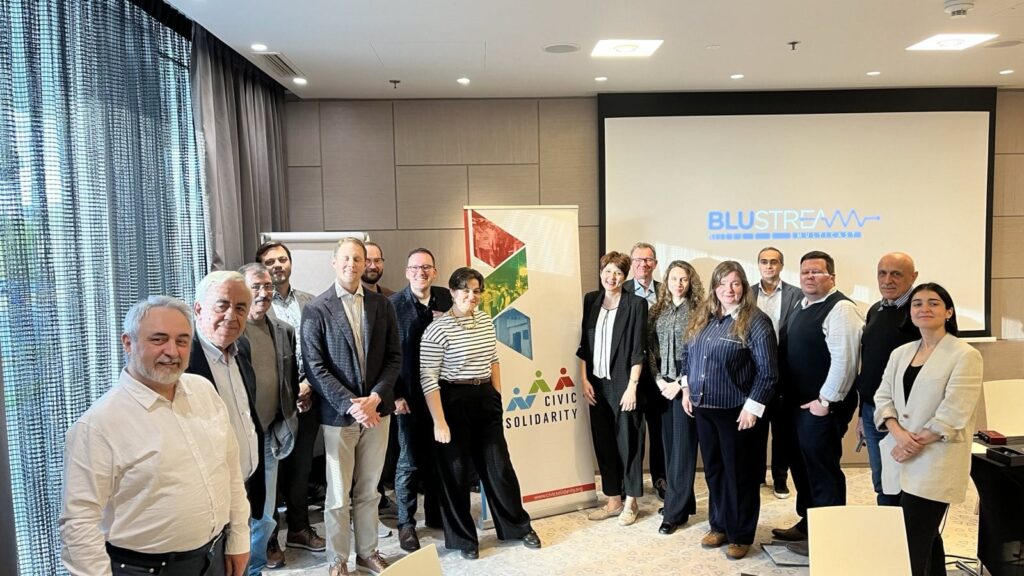
Against the backdrop of this fundamental question Austausch and its partners from the Civic Solidarity Platform launched a seminar dedicated to the topic “The role of civil society in the implementation of the Helsinki principles”. The event has been organized within the framework of the Helsinki+50 process at OSCE that is supposed to be culminating at the 50th anniversary of the Helsinki Final Act of 1975 next year.
The seminar gathered leading civil society experts from across the OSCE region to kick off a series of three hig level reflection workshhops aimed at drafting a Civil Society Memorandum with practical recommendations for Reform of the OSCE. The participants discussed how to strengthen the impact of the organization through more targeted utilizing the capacity Civil Society offers in promoting security and cooperation in a challenging security environment.
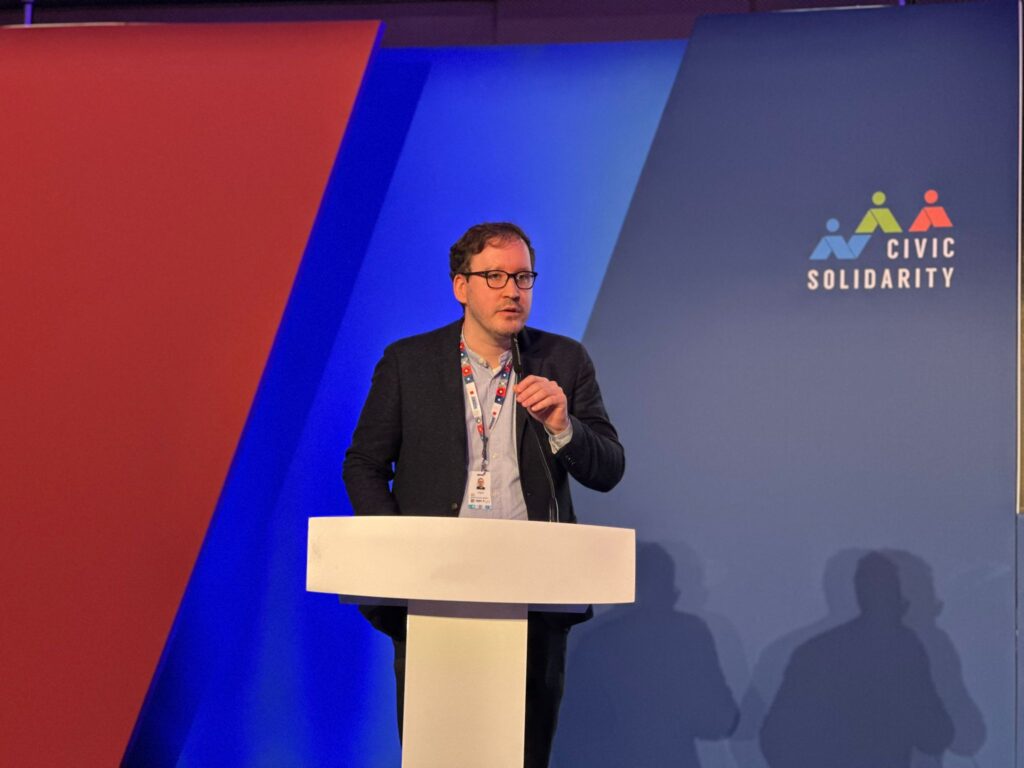
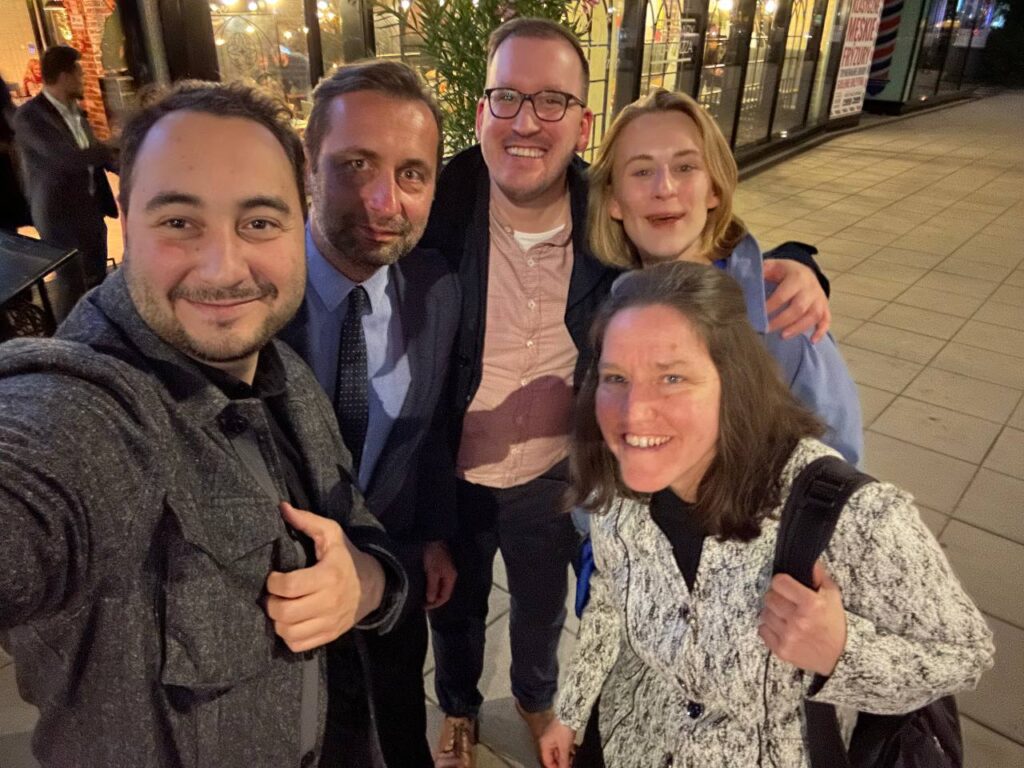
Jacob Riemer, the Second Executive Director of Austausch, is part of the high-level reflection group. Regarding the discussion on how to enhance civil society’s role in OSCE’s work he sais:
“Civil society is fundamental for sustainable security. It is civil society that advocates for vulnerable groups, and it is civil society that often fills crucial gaps in representation left by governments. But while the OSCE provides many formal entry points for civil society involvement there is a lack of alignment between existing instruments and there is a lack of implementation. At Austausch we´re committed to being part of the discussion and offering constructive ideas to help improve things.”
Austausch´s key conclusions:
Better use of existing mechanisms: To improve interaction with civil society, the OSCE does not need new tools, but better use of existing ones. The expert group explores ways to strengthen the structural interaction between the OSCE and civil society.
Reviving the importance of the OSCE for civil society: The seminar emphasized the need to strengthen the role of the OSCE for public organizations, especially in the context of the growth of right-wing populism and pressure on civil liberties not just in the East but also in the West.
We would like to thank our partners from Historians without Borders and Yuri Dzibladze for their great cooperation on making the work of the high-level reflection group happen.
Austausch e.V. would also like to thank t Ministry of Foreign Affairs of Finland and the Ministry of Foreign Affairs of Germany for their kind support.